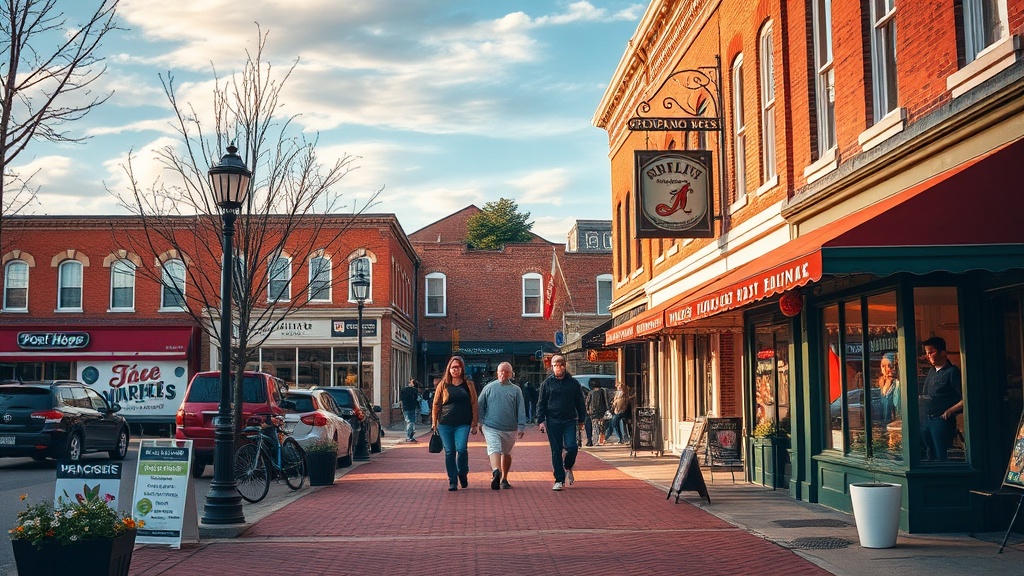
Port Hope Historic Downtown: A Local's Guide to Shopping, Dining & Community Life

This guide covers everything residents need to know about Port Hope's historic downtown — from where to grab groceries and coffee to which shops actually serve locals (not just weekend visitors). Whether you've lived here for decades or just moved to Port Hope, you'll find practical details on handling the downtown core, supporting local businesses, and connecting with community life in this well-preserved Victorian streetscape.
Where Do Port Hope Residents Shop for Everyday Needs?
The historic downtown isn't just for tourists — it's where locals buy hardware, gifts, and daily necessities. You'll find practical shopping alongside the specialty stores.
Smith's Hardware on Walton Street has served Port Hope since 1875. It's the kind of place where staff still cut keys while you wait and know exactly which washer fits your faucet. (Don't expect big-box efficiency — expect expertise.) For paint, tools, and household repairs, this is where locals go.
Trinity Books operates out of a restored heritage building on Queen Street. The selection leans toward Canadian authors and local history — perfect for winter reading when the snow piles up along the Ganaraska River. They host Thursday evening book clubs that draw regulars from across the municipality.
Grocery shopping in Port Hope's downtown core means Highland Farms on Peter Street — technically just outside the heritage district but walkable for downtown residents. For specialty items, The English Shop on Walton Street imports British chocolates, teas, and biscuits that locals crave.
Here's a quick comparison of downtown shopping options for residents:
| Store | What You'll Find | Best For |
|---|---|---|
| Smith's Hardware | Tools, paint, plumbing supplies | Home repairs, quick fixes |
| Trinity Books | Canadian literature, local history | Gifts, book club picks |
| The English Shop | Import groceries, specialty foods | Hard-to-find treats |
| Port Hope Marina Store | Boating gear, fishing licenses | Summer equipment, lake access |
Worth noting: many downtown businesses offer local discounts — just ask. The Municipality of Port Hope maintains a business directory that's actually kept current.
What Dining Options Work for Locals in Downtown Port Hope?
Port Hope's food scene won't confuse anyone with Toronto — and that's the point. These are neighborhood spots where you'll see the same faces weekly.
C Olympic Diner on Walton Street opens at 6 AM and serves breakfast to construction workers, shift workers from Cameco, and retirees who've been coming for thirty years. The coffee is strong, the portions are generous, and nobody rushes you out. It's where locals actually eat — not a brunch destination for highway travellers.
For lunch, What Not Shop & Cafe combines a vintage consignment store with sandwiches and soups. The turkey club is reliable, the prices are fair, and you can browse housewares while waiting. That said, seating is limited — most locals grab takeout and walk down to Memorial Park by the river.
Trattoria Gusto occupies a heritage building on John Street and serves Italian-inspired dinners. It's where Port Hope residents celebrate anniversaries and graduations. The menu changes seasonally — not because it's trendy, but because the chef sources from Ontario farms when produce is actually available.
The catch? Dinner service ends early by city standards — usually 9 PM. Port Hope isn't a late-night town, and these businesses reflect that reality. Here's the thing: you'll need to plan around actual meal times, not metropolitan schedules.
How Does the Community Actually Gather Downtown?
Port Hope's civic life happens in specific places with long histories. Understanding where (and when) people congregate matters more than knowing what buildings look like.
The Capitol Theatre anchors cultural life in Port Hope. Built in 1930, it's one of Canada's last remaining atmospheric theatres — but locals care more about the Film.North Cinema Series and the annual All-Canadian Jazz Festival. Season tickets sell to residents first, and the volunteer ushers are your neighbors. The theatre also hosts municipal meetings and school events, making it a genuine community hub rather than just entertainment.
Port Hope Public Library sits in a 1912 Carnegie building on Queen Street. Beyond books, it offers the Local History Room — staffed by volunteers who can trace property records and family histories. Free Wi-Fi, winter warmth, and genuinely helpful staff make this a practical resource for residents year-round.
The Farmers' Market operates Saturdays from May through October in the Town Hall parking lot. It's producer-only — vendors must grow or make what they sell. You'll find honey from Honey Wagon Farms, produce from Conlin's Farm, and baked goods from home kitchens. Locals arrive early (before 9 AM) for best selection.
Religious and service organizations also use downtown spaces. St. Mark's Anglican Church on King Street hosts the Food Bank on distribution days. Rotary Club of Port Hope meets weekly at various downtown locations and organizes the Float Your Fanny Down the Ganny river race each April — possibly the most Port Hope event imaginable.
For current event listings, the Municipality's event calendar lists community gatherings, council meetings, and seasonal activities. The local paper, Northumberland News, maintains an online calendar that's surprisingly comprehensive for a regional outlet.
What's Changed (and What Hasn't) in Port Hope's Downtown?
The streetscape looks frozen in time — heritage designation sees to that — but the businesses inside those Victorian buildings have shifted significantly over the past decade.
Retail turnover has increased. Shops that catered to antiques and collectibles (Port Hope was once called the "Antiques Capital of Ontario") have given way to more practical businesses serving residents. You'll still find vintage dealers, but now there's a physiotherapy clinic, a dental office, and a credit union occupying heritage storefronts. The mix serves locals better than the previous tourist-heavy focus.
Accessibility has improved — slowly. Many buildings now have ramps and level entries, though some upper floors remain unreachable for mobility-impaired residents. The municipality installed heritage-compatible street lighting and wider sidewalks during the 2010s reconstruction of Walton Street. That said, winter snow clearing can be inconsistent — locals know which blocks to avoid after storms.
Parking remains free and relatively plentiful compared to larger centers, though the municipal lot behind Town Hall fills quickly on market Saturdays. Street parking has time limits (two hours on most downtown blocks) that are actually enforced — unlike some towns where tickets are theoretical.
The Ganaraska River still defines the downtown's eastern edge. Each fall, salmon run upstream through the heart of Port Hope, drawing anglers and observers to the bridges on Walton and Ontario Streets. It's a natural spectacle that interrupts commerce — and most locals wouldn't have it any other way.
Port Hope's downtown works because it serves residents first. The heritage architecture draws visitors, sure, but the hardware stores, diners, and service clubs keep the community functioning. Walk these streets on a Tuesday morning and you'll see the real pattern — neighbours stopping to chat outside the bank, the mail carrier who knows every business owner, the steady rhythm of a town that isn't trying to be anything other than what it is.
For official information on heritage properties, business permits, and municipal services in the downtown core, visit the Town of Port Hope website or stop by the municipal office at 56 Queen Street — right in the heart of where it all happens.