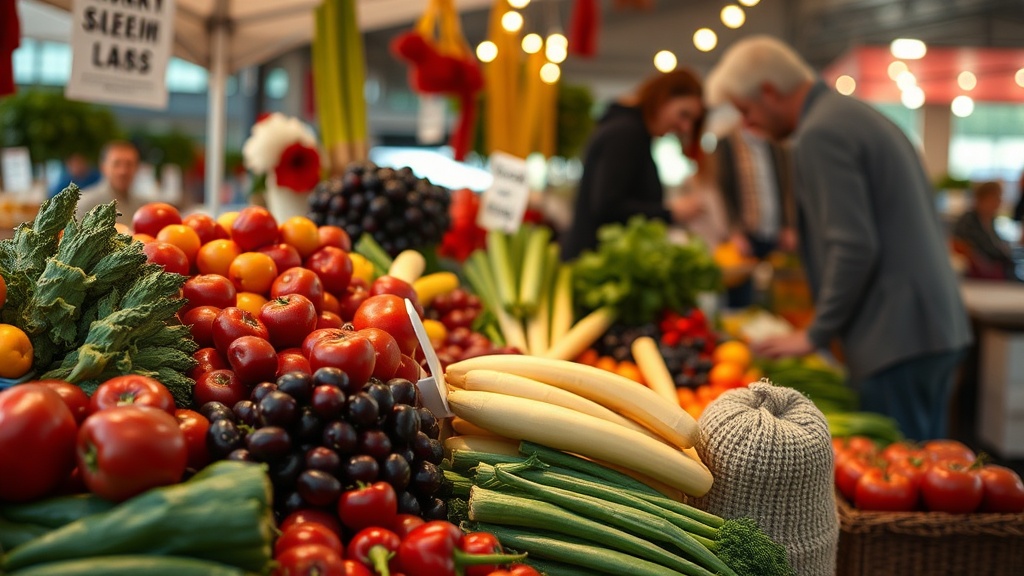
Finding the Best Seasonal Produce at the Port Hope Farmers Market

The scent of fresh basil and damp earth hangs heavy in the air as the morning sun hits the pavement near the corner of Walton Street. You walk past stalls overflowing with bright red heirloom tomatoes, deep green kale, and the first blush of summer strawberries. This guide shows you how to time your visits, what to look for, and how to secure the best seasonal produce at the Port Hope Farmers' Market. Knowing exactly when certain crops arrive ensures you aren't stuck with wilted greens or missing out on the peak of the harvest.
Shopping locally in Northumberland County isn't just about getting groceries; it's about eating with the seasons. When you buy from the Port Hope Farmers' Market, you're getting food that was likely harvested just hours before it hit your basket. This means more flavor and better nutrition for your family.
When is the Best Time to Visit the Port Hope Farmers' Market?
The best time to visit the market is early in the morning, specifically right when the stalls open, to secure the most popular and limited seasonal items. Most vendors arrive early to set up, and the most sought-after items—like certain varieties of artisan bread or specific heirloom vegetable varieties—often sell out by mid-morning.
If you're a late riser, don't worry. You'll still find plenty of great food, but the selection might be a bit more picked over. I've noticed that the most interesting finds—those one-of-a-kind jars of local honey or specific seasonal herbs—tend to vanish fast. If you want the absolute best, aim for that first hour of operation. It’s also worth checking the official Port Hope Farmers' Market website for any seasonal shifts in hours or special event days.
Here is a quick breakdown of what to expect during the main seasonal shifts in Ontario:
| Season | Key Produce to Look For | Pro Tip |
|---|---|---|
| Spring | Asparagus, Radishes, Green Onions | Look for bright, snappy asparagus stalks. |
| Summer | Strawberries, Peaches, Tomatoes, Corn | This is peak season for berries; buy them ripe! |
| Autumn | Pumpkins, Apples, Squash, Root Vegetables | Perfect for hearty soups and baking. |
| Winter | Hardy Root Vegetables, Preserves, Onions | Focus on storage crops and artisan goods. |
Note: While the outdoor market is the star of the show, some vendors may have different availability depending on the weather.
How Much Does Seasonal Produce Cost Compared to Grocery Stores?
Seasonal produce at the market often carries a slightly higher price point per unit than big-box grocery stores, but the value lies in the superior quality, flavor, and shelf life. While a bag of carrots at a major supermarket might be cheaper, the carrots from a local Northumberland farmer will often have much more vibrant color and a much better crunch.
It's a trade-off. You're paying for the freshness of the harvest. When you buy a pint of strawberries at the market, you're paying for fruit that hasn't spent three days in a shipping container. That extra dollar or two is an investment in taste. If you're on a tight budget, I suggest focusing on "staple" seasonal items like potatoes, onions, and hearty greens, which tend to stay at a more reasonable price point throughout the year.
To understand the nutritional differences, you can look at research from the Canadian agricultural sectors regarding how soil quality and harvest timing affect nutrient density. Freshly harvested food simply packs more of a punch. It’s a difference you can actually taste in your kitchen.
Strategies for Budget-Friendly Shopping
- Buy what's abundant: When a certain vegetable is in peak season, the price usually drops.
- Ask about "ugly" produce: Sometimes vendors have slightly bruised or oddly shaped produce they'll sell at a discount.
- Bring your own bags: It's better for the environment and keeps your haul organized.
- Stick to a list: It's easy to get distracted by the smell of fresh-baked bread or artisanal cheeses.
How Do I Know Which Produce is Truly Fresh?
You can identify truly fresh produce by checking for vibrant colors, firm textures, and natural scents. For example, a tomato should feel heavy for its size and have a slight give, but it shouldn't be mushy or bruised. If you're looking at leafy greens like kale or spinach, they should look crisp and hydrated, not wilted or yellowed at the edges.
I always tell people to use their senses. Don't be afraid to lean in and smell the herbs or the fruit. A ripe peach should have a subtle, sweet fragrance. If it doesn't smell like anything, it probably isn't ready or hasn't been harvested at its peak. This is one of the biggest advantages of shopping in person versus buying pre-packaged, plastic-wrapped produce from a supermarket shelf.
When you're browsing, keep these quick checks in mind:
- Root Vegetables: Should be firm and free of soft spots or sprouts.
- Berries: Look for a deep, consistent color and avoid any signs of moisture or mold.
- Stone Fruit: Should have a matte or slightly glossy skin, never a bruised or leaking one.
- Leafy Greens: Check the stems; they should be hydrated and not limp.
If you're looking for a way to unwind after a productive morning of shopping, you might enjoy a quiet moment later in the day. After you've picked up your fresh ingredients, you can find some cozy corners for reading in downtown Port Hope to enjoy your haul. There's nothing quite like a fresh pastry and a local coffee while you read.
One thing to remember is that local farmers are your best resource. If you aren't sure how to prepare a specific type of squash or what the best way to store your basil is, just ask! Most vendors are incredibly knowledgeable and love sharing tips. They aren't just selling you a product; they are sharing their expertise with the community.
The quality of the food you eat is directly tied to the quality of the soil and the care taken during the growing season. By shopping at the Port Hope Farmers' Market, you're supporting the local agricultural economy and ensuring that these small-scale farms can continue to provide high-quality food to our region. It’s a win for everyone involved.
Next time you're out, bring a reusable tote and a sense of curiosity. The market changes every single week, and you never quite know what wonderful thing you might stumble upon. Whether it's a rare variety of heirloom bean or a jar of something spicy and delicious, the variety is what makes this experience so much fun.
Steps
- 1
Check the seasonal calendar
- 2
Arrive early for the best selection
- 3
Bring reusable bags
- 4
Talk to the growers