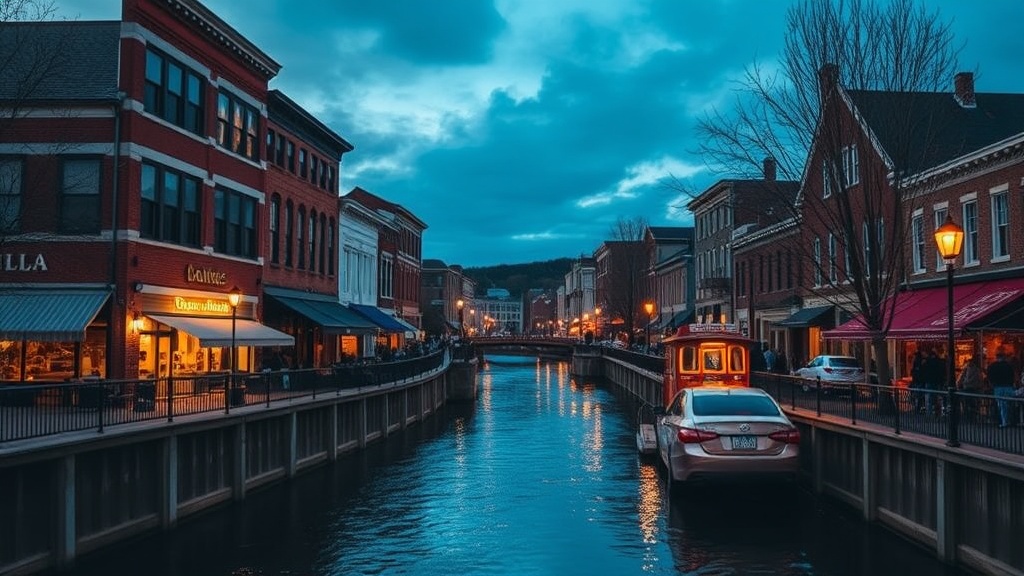
Exploring Port Hope's Heritage Downtown and Ganaraska River

Port Hope's Heritage Downtown and the Ganaraska River deliver some of the most distinctive experiences along the Lake Ontario shoreline. This post walks through the 19th-century architectural heritage that earned downtown its National Historic Site designation, the world-class salmon fishing that draws anglers from across North America each fall, and the specific shops, trails, and seasonal events worth planning a visit around. Whether you're a day-tripper from Toronto (just 100 km east) or a local looking to see the town with fresh eyes, here's what actually matters in this corner of Ontario.
What Makes Port Hope's Downtown a National Historic Site?
The entire downtown core holds official designation as a National Historic Site of Canada — one of only a handful in Ontario with this distinction. The reason? Over 270 buildings dating from 1820 to 1900, many designed by master architects like John Howard and William Thomas, remain intact and operational. These aren't museum pieces behind glass. They're working buildings — restaurants, boutiques, law offices, and residences.
The town escaped the widespread demolition that hit other Ontario communities during the 1960s and 70s. While places like Oshawa and Belleville tore down their Victorian streetscapes for parking lots and modern developments, Port Hope's relative isolation (and some stubborn local resistance) preserved what exists today. The result is Canada's finest collection of 19th-century architecture in a single streetscape.
Worth noting: the restoration work hasn't stopped. The Municipality of Port Hope runs one of Ontario's most aggressive heritage incentive programs, offering grants and tax relief to property owners who maintain historical accuracy. That's why the cast-iron storefronts on Walton Street look freshly painted rather than crumbling.
Key stops for architecture enthusiasts:
- Queen Street between Walton and Pine — Double rows of Victorian commercial buildings with their original pressed-metal cornices
- The Capitol Theatre — Canada's last fully operational "atmospheric" theatre, built in 1930 with a star-sprayed ceiling
- Trinity College School's downtown campus buildings — Gothic Revival structures that predate the school's move to its current location
- The old post office on Walton — Romanesque Revival design from 1885, now housing commercial space
The catch? Not every old building is open to the public. Private residences and some commercial spaces can only be admired from the street. That said, the self-guided walking tour map (available at the Northumberland Tourism office on Walton Street) marks which interiors you can actually enter.
Can You Actually Fish the Ganaraska River Without a Boat?
Yes — and honestly, shore fishing here often outperforms boat approaches. The Ganaraska River runs right through downtown Port Hope, creating one of North America's most accessible Chinook salmon and rainbow trout fisheries. From late August through October (peak season), thousands of salmon migrate upstream from Lake Ontario to spawn. You can literally cast from the sidewalk on certain stretches.
The river's structure creates natural holding pools within walking distance of downtown parking. The "Ganny" (as locals call it) flows fast and cold from the Oak Ridges Moraine, keeping oxygen levels high and fish active. You don't need expensive gear — a medium-heavy spinning rod, 10-12 lb test line, and spawn sacs or artificial eggs will connect you with fish.
Here's what works at different access points:
| Location | Best For | Access Notes | Parking |
|---|---|---|---|
| Ganaraska River Fishway (Molson Street) | Viewing salmon, beginner fishing | Paved paths, wheelchair accessible | Municipal lot on Cavan Street |
| Public Works Bridge (Ward Street) | Chinook salmon, steelhead | Rocky banks — wear cleats | Street parking on Ward |
| Highway 2 Bridge downstream | Early-run salmon (August) | Steep bank — not for everyone | Canadian Tire lot (ask permission) |
| Sylvan Glen Conservation Area | Trout, quieter experience | Trail hiking required | Small gravel lot off County Road 28 |
The Ganaraska River Conservation Authority manages the fishery with strict regulations. You'll need an Ontario fishing license with a conservation stamp, and the catch-and-release rules change depending on run timing. Check current regulations before heading out — enforcement officers do patrol the banks, especially during peak season.
Here's the thing: fishing pressure is intense on fall weekends. Locals often hit the river at dawn before the Toronto crowds arrive. If you're serious about catching rather than just watching, weekday mornings offer your best shot at elbow room and active fish.
What Shops and Restaurants Are Actually Worth Your Time?
For a town of 16,000, Port Hope punches above its weight in independent retail and dining. The difference from bigger cities? These businesses occupy heritage buildings, so you're shopping inside history whether you notice or not.
Food and Drink
Cork & Bean on Walton Street serves the best coffee in Northumberland County — single-origin beans roasted by Pilot Coffee Roasters in Toronto, brewed on a La Marzocco machine. The building itself dates to 1850, with original hardwood floors that creak underfoot.
For a proper meal, Olympus Burger on John Street converts skeptics with their lamb burgers and hand-cut fries. The outdoor patio backs onto the Ganaraska River — salmon literally jump behind your table during fall spawning runs. It's not fancy. It's good.
Trattoria Gusto in the old Commercial Hotel building (circa 1870) handles date nights and special occasions. The wood-fired oven and house-made pasta justify the higher price point. Reservations recommended on weekends.
Retail Worth Stopping For
Squire and Sarah, Ltd. has occupied the same Walton Street location since 1975 — three floors of British imports, teas, and kitchenware in a restored 1860s dry goods store. The wooden shelving is original.
Georgian Fine Foods (locally called "The Cheese Shop") sources from small Ontario producers. Their aged cheddar from Maple Dale Cheese north of Belleville rivals anything from Quebec.
For vintage and antiques, the Gretna Green Shops complex — a collection of dealers in interconnected heritage buildings — rewards patience. Prices run lower than Toronto or Niagara-on-the-Lake, and the selection turns over fast.
Where Should You Walk After Exploring Downtown?
The Ganaraska River Trail system connects directly to downtown, creating a 10-kilometer network of paved and natural paths. You don't need to drive anywhere after your meal or shopping — just walk south from Walton Street toward the lake.
The most scenic section follows the river from the fishway down to the Lake Ontario shore. It's flat, well-maintained, and passes through Rotary Park (home to summer concerts) and the harbour area. The entire walk takes about 45 minutes one way.
For something more substantial, the Ganaraska Hiking Trail Association maintains a 400-kilometer network of marked trails radiating from town. The "Cedar Creek" section starts just north of downtown and climbs into the Oak Ridges Moraine — hardwood forest, kettle lakes, and views across the lake on clear days. It's a proper half-day hike, not a stroll.
Worth noting: trail conditions vary seasonally. Spring melt (March-April) creates muddy sections and occasional closures. Fall brings spectacular color but also hunting season in adjacent conservation areas — wear orange if venturing beyond the river trail.
When's the Best Time to Visit Port Hope?
September and October deliver the complete package: salmon running, fall colors peaking, comfortable temperatures, and the Sunset Series concerts at the bandshell. Accommodation books up fast — reserve ahead.
That said, each season offers something distinct:
- Spring (May-June): Trout fishing opens, gardens bloom at the Port Hope Conservation Area, and crowds remain thin
- Summer: Swimming at East Beach, farmers' markets (Saturday mornings in Memorial Park), and the Float Your Fanny Down the Ganny river race (May)
- Winter: Cross-country skiing on the Ganaraska Trail, ice fishing (when safe), and the Christmas-themed heritage tours in December
The town doesn't shut down in off-peak months the way some tourist destinations do. Restaurants maintain regular hours, shops stay open, and parking becomes abundant. If you prefer experiencing places without jostling through crowds, November through April offers Port Hope at its most authentic — just pack layers.
One practical detail: the VIA Rail station (built 1856, still operating) sits one block from downtown. You can literally take the train from Toronto Union Station, walk to the river, fish or explore, dine, and return without touching a car. The "Rider" service runs multiple times daily.
Port Hope doesn't need hype. The architecture speaks for itself, the river still runs with salmon after centuries of pressure, and the downtown functions as a real place rather than a curated tourist set piece. Bring comfortable shoes, a camera, and (if you're so inclined) a fishing rod. Everything else — history, nature, good coffee, better conversation — is already here.